
My Child’s Glasses Keep Getting Stronger: How Myopia Management Can Help
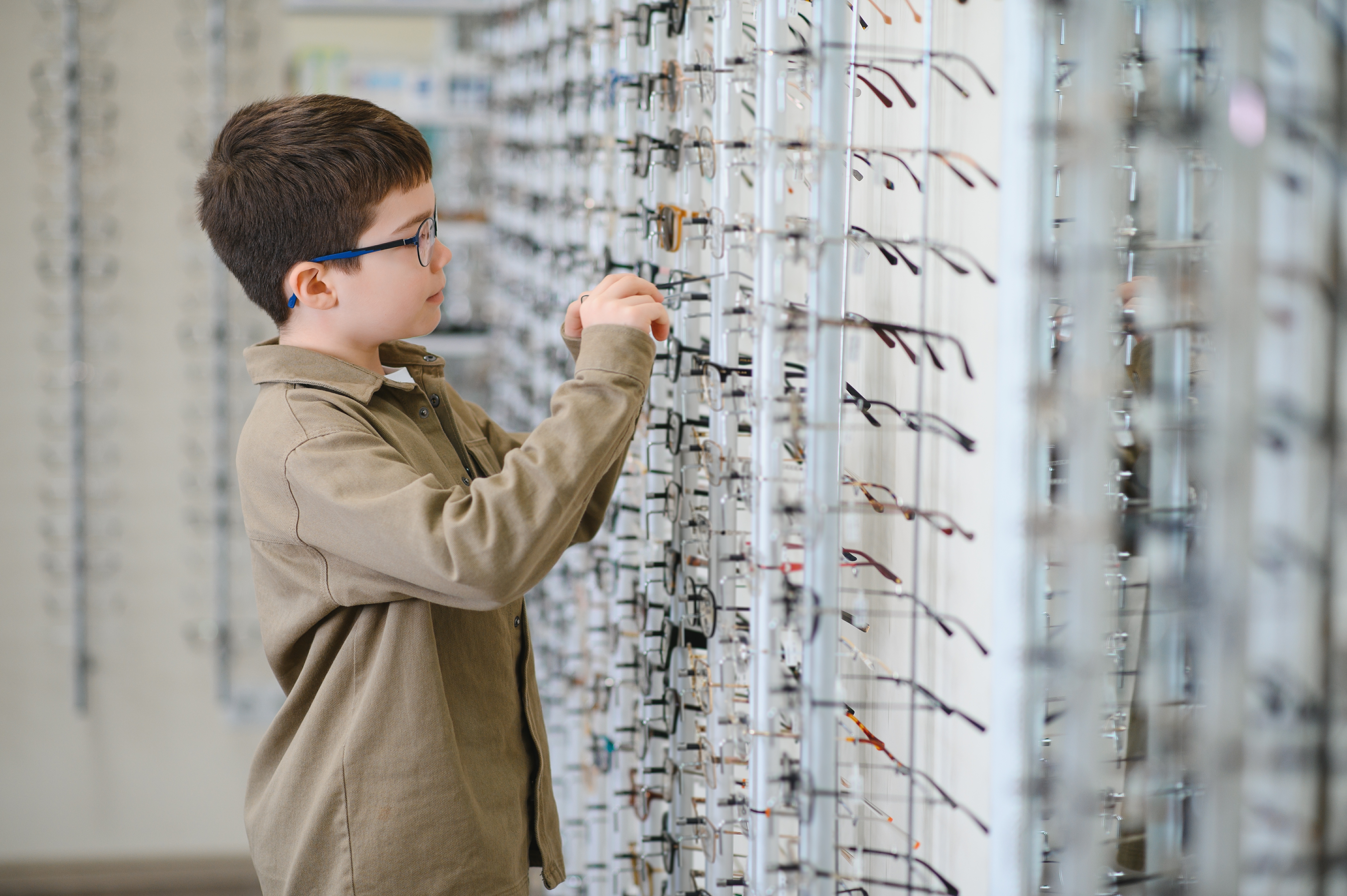
Has your child’s glasses prescription increased every year? Many parents assume that stronger lenses are simply part of growing up. In reality, frequent prescription changes can be a sign of progressive myopia, which means the eye is continuing to grow longer than it should. Standard glasses can make distant vision clearer, but they do not slow that underlying eye growth. Myopia management is designed to do exactly that.
At Project Eyecare Optometry in Mission Viejo, we help families understand why their child’s nearsightedness is progressing and whether a personalized myopia control plan may be appropriate. For parents in Mission Viejo and throughout South Orange County, early evaluation can turn a yearly prescription update into a more proactive approach to long-term eye health.
Why Does My Child’s Prescription Keep Increasing?
Myopia, also called nearsightedness, makes nearby objects easier to see while the classroom board, road signs, television, and other distant objects appear blurry. In many children, myopia progresses because the eye becomes longer from front to back as the child grows. When the eye is too long, light focuses in front of the retina instead of directly on it, creating blurry distance vision.
A prescription that becomes stronger over time is not just a number on a glasses order. It can indicate that the structure of the eye is changing. Higher levels of myopia are associated with a greater risk of retinal problems, glaucoma, and other eye health complications later in life. Myopia management focuses on slowing progression while the eyes are still developing.
Can Glasses Slow Myopia?
Standard single-vision glasses and regular contact lenses correct blurry vision so your child can see clearly at school, during sports, and throughout the day. However, they generally do not address the eye growth that causes progressive myopia. This is why simply prescribing stronger glasses each year may not be enough for a child whose nearsightedness is changing quickly.
Myopia management uses specialized treatments and regular monitoring to help reduce the rate of progression. Treatment does not guarantee that a child’s prescription will never change, but it provides an opportunity to slow excessive eye growth rather than only correcting the blur after it occurs.
What Is Myopia Management?
Myopia management, sometimes called myopia control, is a personalized approach to slowing the progression of nearsightedness in children. A plan may be based on your child’s age, current prescription, prescription history, eye health, rate of change, comfort with lenses or eye drops, school schedule, and daily activities.
The goal is broader than helping your child see clearly today. By slowing progression, myopia management aims to reduce how nearsighted the eyes become over time and support healthier vision into adulthood. Mission Viejo families may also find that a customized plan is easier to maintain because the treatment is selected around the child’s routine rather than using a one-size-fits-all approach.
What Signs Suggest Progressive Myopia?
Children do not always realize that their vision has changed, especially when distance blur develops gradually. Parents may notice squinting at the television or classroom board, holding phones and books very close, moving nearer to screens, headaches after visual tasks, difficulty identifying distant signs, or trouble tracking a ball during outdoor activities. The clearest warning sign is often a glasses prescription that becomes stronger at repeated visits.
A comprehensive pediatric eye exam can determine whether your child has myopia, how quickly it may be progressing, and whether additional testing is needed. Families from Lake Forest, Rancho Santa Margarita, Irvine, Ladera Ranch, and other nearby Orange County communities can schedule an evaluation at our Mission Viejo office.
Which Myopia Management Options Are Available?
The right treatment depends on the child. Orthokeratology, or Ortho-K, uses custom lenses worn while sleeping to gently reshape the front surface of the eye. The lenses are removed in the morning, which can provide clear daytime vision without glasses and may be appealing for active children or those involved in sports.
MiSight 1 day and other specialty soft multifocal contact lenses are worn during the day. These lenses correct distance vision while using specialized optical designs intended to help manage the signals associated with eye growth. They can be a practical option for children who are ready to handle daytime contact lens wear responsibly.
Low-dose atropine eye drops may also be recommended for certain children. The drops are generally used on a regular schedule and can be considered alone or as part of a broader plan. Your child’s eye doctor will explain the expected benefits, responsibilities, and follow-up schedule for each option before making a recommendation.
What Age Should My Child Start Myopia Control?
There is no single starting age that is right for every child. The best time to consider myopia management is when nearsightedness is diagnosed and there is evidence that it is progressing. Children who begin needing glasses at a younger age may have more growing years ahead, which makes early monitoring especially important.
A children’s eye doctor can review previous prescriptions, family history, visual habits, and eye measurements to determine whether treatment should begin now or whether close observation is more appropriate. The decision should be based on the individual child, not on age alone.
Why Is Axial Length Measurement Important?
Prescription changes show how much lens power is needed for clear vision, but they do not provide the full picture of how the eye itself is growing. Axial length measurement evaluates the length of the eye from front to back. Tracking this measurement over time can help us assess structural changes and determine whether a treatment plan is helping slow progression.
Regular follow-up appointments are an essential part of myopia management. During these visits, we may review visual acuity, prescription, lens fit or drop use, comfort, adherence, and axial length. This information helps us adjust the plan when needed and gives parents a clearer understanding of how their child’s eyes are developing.
Is Myopia Management Worth It?
For many parents, the value of myopia management is the opportunity to act before the prescription becomes substantially stronger. The goal is not to eliminate myopia or promise perfect stability. It is to use evidence-based options and consistent monitoring to reduce progression as much as reasonably possible for that child.
Clearer, more stable vision can support classroom participation, confidence, outdoor activities, and independence. Treatment can also be coordinated with your child’s lifestyle. For example, a student involved in athletics may have different needs from a child who prefers glasses or is not ready for contact lens care. Our team can also consider how myopia treatment fits alongside sports vision or other visual needs.
Is Myopia Management Covered by Insurance?
Insurance coverage varies by plan. Some vision benefits may help with portions of the examination or standard vision correction, while specialty lenses, axial length testing, atropine therapy, or ongoing myopia management services may have different coverage rules. Families should confirm benefits and out-of-pocket costs before beginning care.
Our team can explain the recommended services and help you understand which questions to ask your insurance provider. Cost should be discussed in the context of the treatment plan, follow-up schedule, supplies, and the child’s individual needs.
Key Takeaways for Parents
• Progressive myopia is more than a need for stronger glasses - it can reflect continued eye growth.
• Standard glasses improve clarity but generally do not slow myopia progression.
• Myopia management aims to slow excessive eye growth while a child’s eyes are developing.
• Options may include Ortho-K, specialty daytime contact lenses such as MiSight, or low-dose atropine.
• Regular monitoring, including axial length measurements, helps track progress and guide treatment decisions.
About Dr. Vincent Cano and Our Mission Viejo Team
Dr. Vincent Cano provides thorough, patient-centered eye care at Project Eyecare Optometry in Mission Viejo and has advanced training in vision therapy and rehabilitation. He works alongside Dr. Connie Tsai, who leads the practice’s myopia management program. Together, our doctors develop individualized care plans that consider prescription history, eye measurements, visual performance, and each child’s daily needs.
This team-based approach helps families receive care that is educational, personalized, and focused on long-term results. Parents are encouraged to ask questions, understand the purpose of each measurement, and take an active role in their child’s treatment plan.
Schedule a Myopia Management Evaluation in Mission Viejo
If your child’s prescription has changed over the past year, now is an ideal time to consider a myopia management evaluation. The earlier progression is identified, the greater the opportunity to address excessive eye growth while the eyes are still developing. Our team at Project Eyecare Optometry can determine whether your child is a candidate and create a personalized plan based on their vision, eye health, lifestyle, and rate of progression.
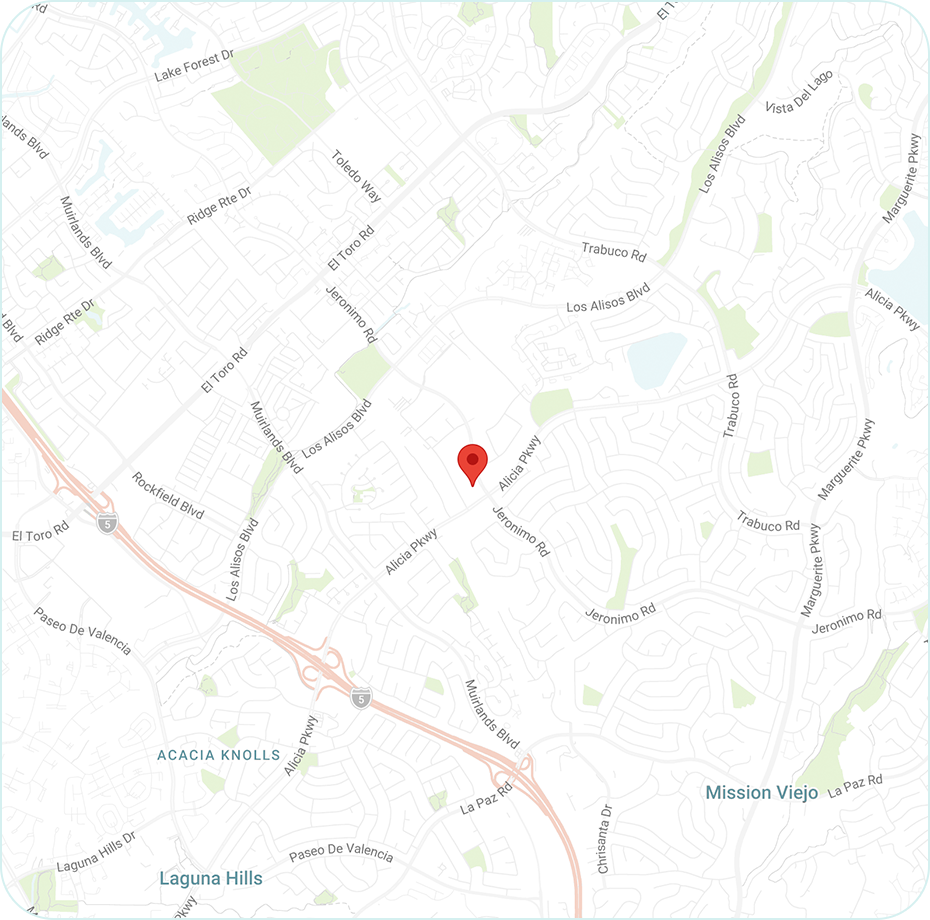
Schedule a pediatric eye exam with Project Eyecare Optometry in Mission Viejo, CA. Call (949) 799-3663 to book an appointment and learn which myopia management option may be right for your child.

Visit Us Today
Contact Us


© 2026 Project Eyecare Optometry. All Rights Reserved. Accessibility Statement. Privacy Policy.
Designed and Managed by: 